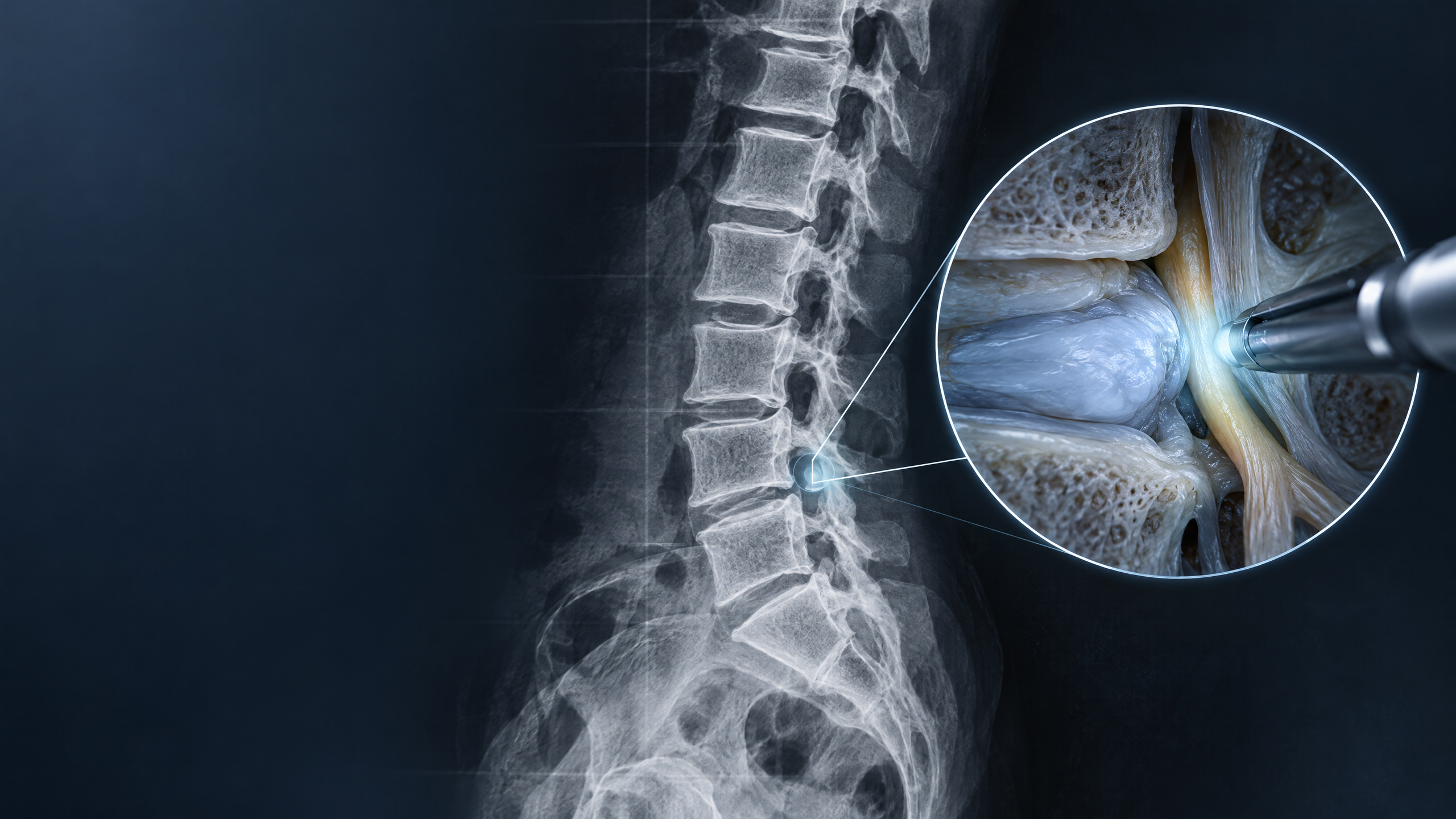
Endoscopic spine surgery is a minimally invasive surgical technique used to treat certain spinal conditions through a very small incision. Unlike traditional open spine surgery, this procedure uses a thin endoscope equipped with a camera and specialized instruments to access the affected area of the spine. The surgeon can view the surgical site on a monitor and carefully treat the problem while minimizing damage to surrounding muscles and tissues.
For people searching for endoscopic spine surgery in Chennai, understanding the procedure, its benefits, and who may require it can help them make informed decisions about their spinal health. However, not every patient with back or neck pain needs surgery. A detailed evaluation by an experienced spine specialist is important before choosing any surgical treatment.
How Does Endoscopic Spine Surgery Work?
During endoscopic spine surgery, the surgeon makes a small incision near the affected portion of the spine. A specialized endoscope is inserted through the incision, providing a magnified view of the spinal structures.
Depending on the patient’s condition, the surgeon may remove a portion of a herniated disc, decompress a nerve, or address other sources of nerve compression. Specialized instruments are used through the endoscope to complete the procedure.
The exact surgical technique depends on the location and severity of the spinal problem. Imaging tests such as MRI or CT scans may be used along with a physical examination to determine whether endoscopic surgery is appropriate.
Who May Need Endoscopic Spine Surgery?
Endoscopic spine surgery may be considered for selected patients who have persistent symptoms caused by conditions that can be treated through a minimally invasive approach.
Common conditions that may be evaluated for this type of surgery include:
- Herniated or slipped discs
- Nerve compression
- Sciatica caused by disc-related problems
- Foraminal stenosis
- Certain cases of spinal stenosis
- Persistent radiating leg or arm pain
- Some degenerative spinal conditions
Patients are generally considered for surgery when symptoms continue despite appropriate non-surgical treatment or when nerve compression is causing significant functional problems.
When Should You Consider Seeing a Spine Specialist?
Back pain is common and often improves with conservative treatment. However, persistent or worsening symptoms should not be ignored.
You may benefit from an evaluation by a spine surgeon in Chennai if you experience:
- Back or neck pain that continues for several weeks
- Pain spreading into the arms or legs
- Numbness or tingling
- Weakness in an arm or leg
- Difficulty walking or performing daily activities
- Symptoms that do not improve with recommended non-surgical treatment
In some situations, urgent medical assessment may be required, particularly when severe weakness, loss of bladder or bowel control, or other serious neurological symptoms occur.
Benefits of Endoscopic Spine Surgery
One of the main advantages of endoscopic spine surgery is the minimally invasive nature of the procedure. Because the access point is relatively small, there may be less disruption to muscles and soft tissues compared with some conventional surgical approaches.
Potential benefits may include:
- Smaller incision
- Reduced muscle and tissue disruption
- Less postoperative discomfort in suitable patients
- Shorter hospital stay in selected cases
- Faster return to normal activities for some patients
- Reduced scarring
- Direct visualization of the affected spinal area
The benefits and recovery experience can vary depending on the patient’s condition, surgical technique, overall health, and other factors.
Is Endoscopic Spine Surgery Suitable for Everyone?
No. Endoscopic spine surgery is not appropriate for every spinal condition or every patient. The decision depends on several factors, including the cause of symptoms, location of the problem, imaging findings, neurological symptoms, previous treatments, and overall health.
A back pain specialist in Chennai or qualified spine surgeon can assess the patient’s symptoms and diagnostic reports to determine whether endoscopic surgery is suitable. In many cases, treatments such as physiotherapy, medication, activity modification, or other non-surgical approaches may be recommended before surgery.
Recovery After Endoscopic Spine Surgery
Recovery varies from person to person. Some patients may return to light activities relatively quickly, while others require a longer recovery period depending on the complexity of the procedure and the underlying spinal condition.
Patients should follow their surgeon’s instructions regarding physical activity, exercises, wound care, medications, and follow-up appointments. Returning to strenuous activities too soon may interfere with recovery.
Why Choose an Experienced Spine Surgeon?
Spine surgery requires careful assessment and precise treatment because the spinal cord and nerves are important structures. Choosing an experienced spine surgeon in Chennai can help ensure that the patient’s condition is thoroughly evaluated and that the most appropriate treatment options are discussed.
The goal should not simply be to perform surgery but to identify the actual source of symptoms and recommend treatment based on the patient’s individual needs.
Conclusion
Endoscopic spine surgery is a modern minimally invasive technique that can help selected patients with specific spinal conditions, particularly problems involving nerve compression or certain disc-related disorders. Its smaller access route may reduce tissue disruption and support recovery in appropriately selected cases.
However, surgery is not automatically required for back or neck pain. A detailed clinical evaluation, appropriate imaging, and discussion with a qualified spine specialist are essential before deciding on treatment. If persistent pain, numbness, weakness, or radiating symptoms are affecting your daily life, consult a spine specialist to understand the available treatment options.
Frequently Asked Questions
1. What is endoscopic spine surgery?
Endoscopic spine surgery is a minimally invasive procedure that uses a small incision, an endoscope, and specialized instruments to treat selected spinal conditions.
2. Who is a candidate for endoscopic spine surgery?
Patients with certain disc problems, nerve compression, sciatica, or spinal stenosis may be candidates. Suitability depends on the individual’s symptoms, imaging results, and overall condition.
3. Is endoscopic spine surgery better than traditional spine surgery?
Endoscopic surgery may offer benefits such as smaller incisions and less tissue disruption for suitable conditions. However, it is not the best option for every patient. The appropriate technique depends on the specific spinal problem.
4. Is endoscopic spine surgery painful?
The procedure is performed with appropriate anesthesia. Some discomfort may occur after surgery, but the level of pain varies between patients and depends on the procedure performed.
5. How long does it take to recover from endoscopic spine surgery?
Recovery varies depending on the condition and procedure. Some patients can resume light activities relatively soon, while others may require additional recovery time.