Total disc replacement is newer and performed less often than traditional spinal decompression and fusion surgeries. However, it is gaining favor for its ability to preserve motion while also treating neck or back pain as more long-term outcomes studies demonstrating its effectiveness become available.

Total disc replacement is newer and performed less often than traditional spinal decompression and fusion surgeries. However, it is gaining favor for its ability to preserve motion while also treating neck or back pain as more long-term outcomes studies demonstrating its effectiveness become available.

General Questions

One of the primary goals of disc replacement surgery is to preserve spinal motion. Patients with diseased discs in the cervical or lumbar spine who have good spinal motion and little or no arthritis are excellent candidates for disc replacement surgery. HSS research suggests that patients with greater height in their spinal discs may be better candidates than those with less disc height.

Disc replacement therapy can be used to treat similar conditions to traditional spinal decompression and fusion surgeries, including pinched nerves associated with lumbar or cervical radiculopathy and myelopathy, and degenerative disc disease in both the cervical and lumbar spine.

Cervical disc replacement is currently more popular than lumbar disc replacement surgery. The number of cervical disc replacement surgeries performed across the United States has increased nearly twofold as compared to the number performed around the year 2000, especially since around 2012. However, compared with traditional fusion procedures, it is still much less popular. Cervical and lumbar disc replacement is currently FDA approved for one and two-level surgeries.

Disc replacement surgery is performed differently depending on the region of the spine involved.

Cervical disc replacement

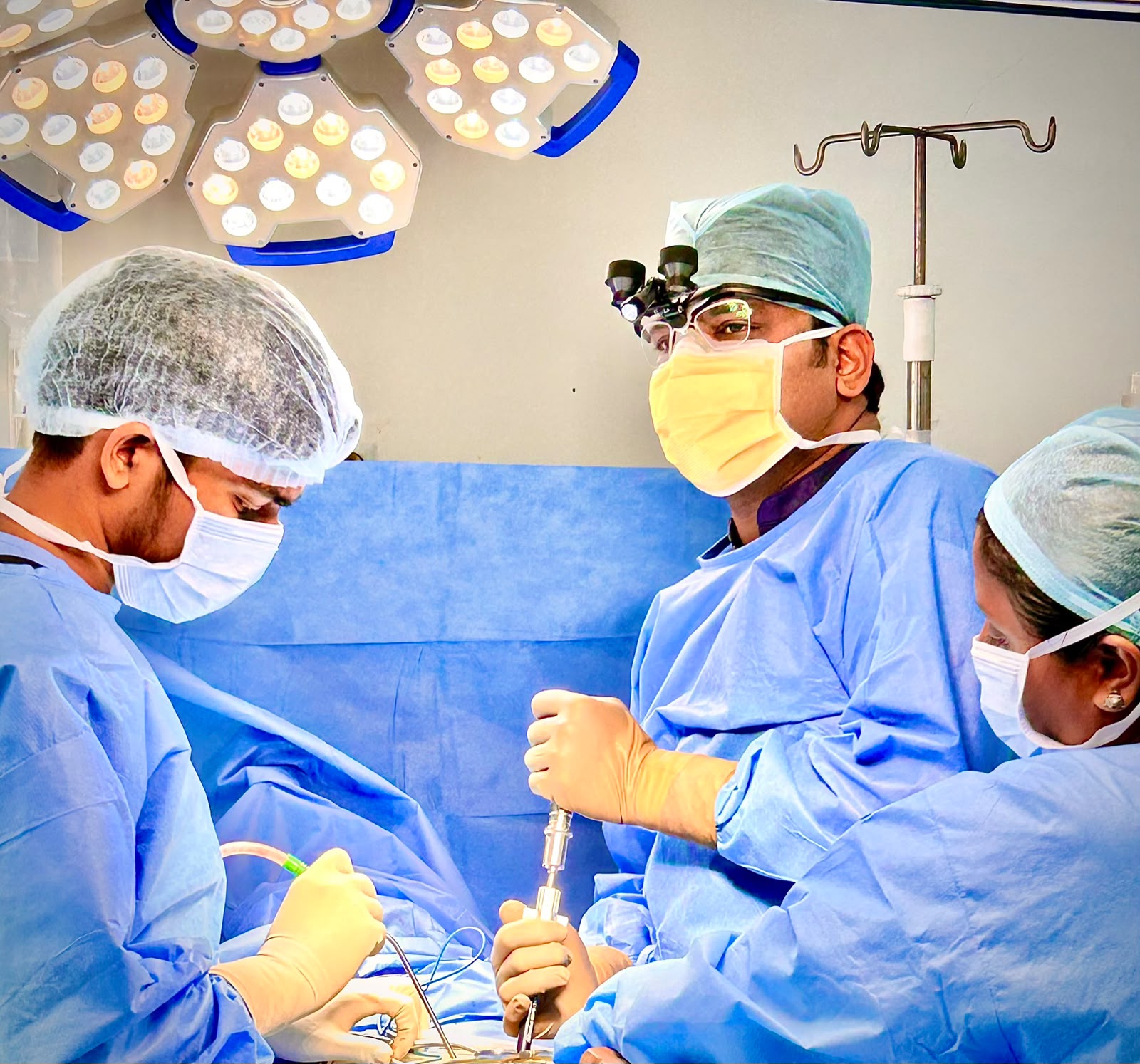
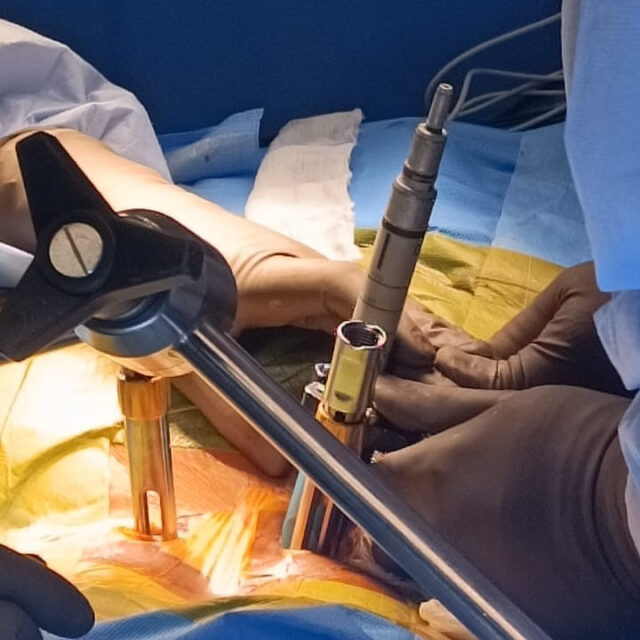
For cervical disc replacement, a small incision is made over the front of the neck. The soft tissues of the neck including the esophagus, trachea, and blood vessels are carefully protected and moved away from the spine. Once the appropriate spinal level is identified, the diseased disc is removed. The remaining bone above and below is prepared to receive the implant. The artificial disc is then implanted and secured to the bone. Placement is confirmed using X-ray.

Lumbar disc replacement

For lumbar disc replacement, surgeries may be performed with the assistance of a vascular or abdominal surgeon. An incision is made low over the front of the abdomen. The vital organs, blood vessels, and nerves are carefully protected and moved away from the front of the spine. Once the appropriate level is confirmed, the diseased disc is removed. The remaining bone above and below is prepared to receive the implant. The artificial disc is then implanted and secured to the bone. Placement is confirmed using X-ray.