- When sleeping, use a pillow that supports your head, neck and shoulder so that your cervical spine is fully supported. This will prevent neck pain and stiffness early in the morning.
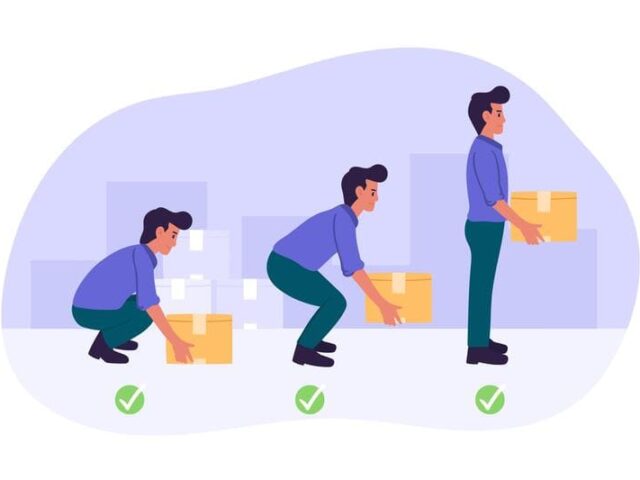
- Squat down to lift objects from the ground. Use your hip, thigh and legs to lift heavy weight so that your lower back is not compromised and prevent injuries.
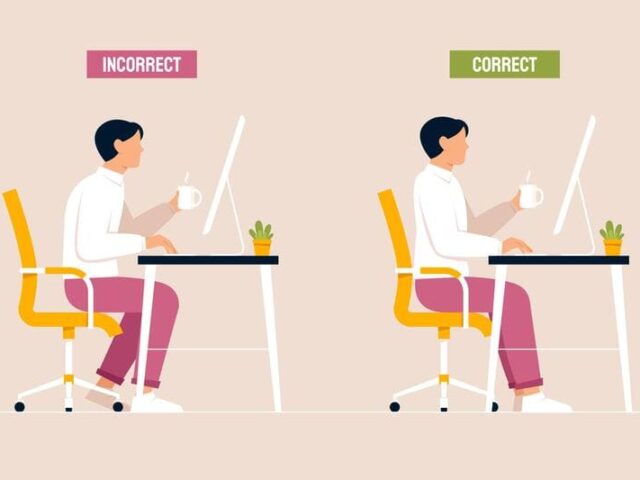
- Stand up and walk for 8-10 minutes after sitting down for 30 minutes at a stretch.
- Work on your core, glutes (hips) and obliques to strengthen your back muscles and prevent injuries to your spine for a longer time.
Vertebral Body Tethering (VBT), also known as anterior scoliosis correction (ASC) or the Tether, is performed anteriorly (through the side) using small incisions called portals with a scope and camera placed for visualization and access to the spine. These small incisions result in minimal scarring that is well hidden under the arm.
If you are traveling with a weak back or neck and experiencing mild pain/discomfort, then use lower back belts or neck collars that help your back muscles keep the spine upright. It helps in immobilizing your spine to a certain extent that can prevent further injuries.
Note: Do not make wearing a belt a regular habit, instead work on your core muscles. The relief and support that the belt provides is temporary, whereas if done properly and regularly, exercises can give a permanent solution. Check with an accredited physiotherapist on the specific protocols for strengthening of neck and back muscles.