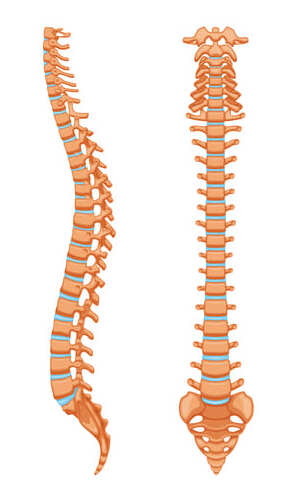
Typically utilizing general anesthesia, your surgeon will enter the body through the use of large needles instead of an incision. Using continuous X-ray imaging during this process, your surgeon will insert one of the long needles into the vertebral crevice created by the fracture. Through the mechanism of pressurized liquid, your surgeon will inflate a balloon into this gap to restore the original height of the vertebra. Additionally, your surgeon will use a second needle to inject a cement-like substance into the space created by the balloon. Great care and surgical precision ensure that the cement does not seep into adjacent areas or onto nearby nerves.
With the cement requiring only a short time to dry, the surgeon will then remove the needle from the body. Because there are no incisions, the only closure needed for the surgery will be a bandage over the puncture marks. Following a short time spent under observation in the recovery room, most patients will be able to return home the same day, with minimal pain experienced.
In Contrast, The Benefits Of A Kyphoplasty Include:
- No incisions required; needles are used to puncture the skin & access the affected vertebrae
- No damage to surrounding muscles & nerves means a less painful and short recovery
- Little to no external or internal scarring, avoiding future problems associated with scar tissue
- Performed as an outpatient procedure; most patients return home on the same day as surgery
- The durable cement used in vertebral restoration avoids post-surgical complications