Diagnosis
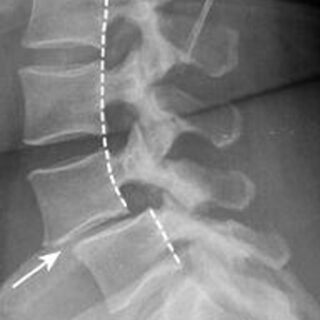
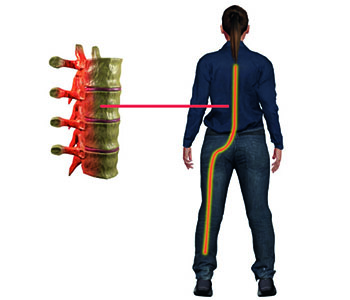
Diagnosis of sciatica typically involves a physical examination and a review of the patient’s medical history. Imaging tests such as X-rays, CT scans, or MRIs may also be used to identify the underlying cause of the sciatic nerve compression or irritation.
Treatment
Treatment for sciatica typically involves a combination of pain management and physical therapy. Over-the-counter pain relievers such as ibuprofen or acetaminophen may be used to manage mild to moderate pain. In contrast, prescription medications such as muscle relaxants or opioids may be necessary for more severe cases.
Physical therapy is often recommended to help relieve pressure on the sciatic nerve and improve overall flexibility and mobility. This may involve exercises to strengthen the muscles supporting the lower back and hips and stretches to improve flexibility and reduce tension.
More invasive treatments may sometimes be necessary to relieve sciatic nerve pain. Injections of corticosteroids or other anti-inflammatory medications may be used to reduce swelling and relieve pressure on the nerve. Surgery may also be considered in cases where conservative treatments have been ineffective.